This book is desirable, on two counts.
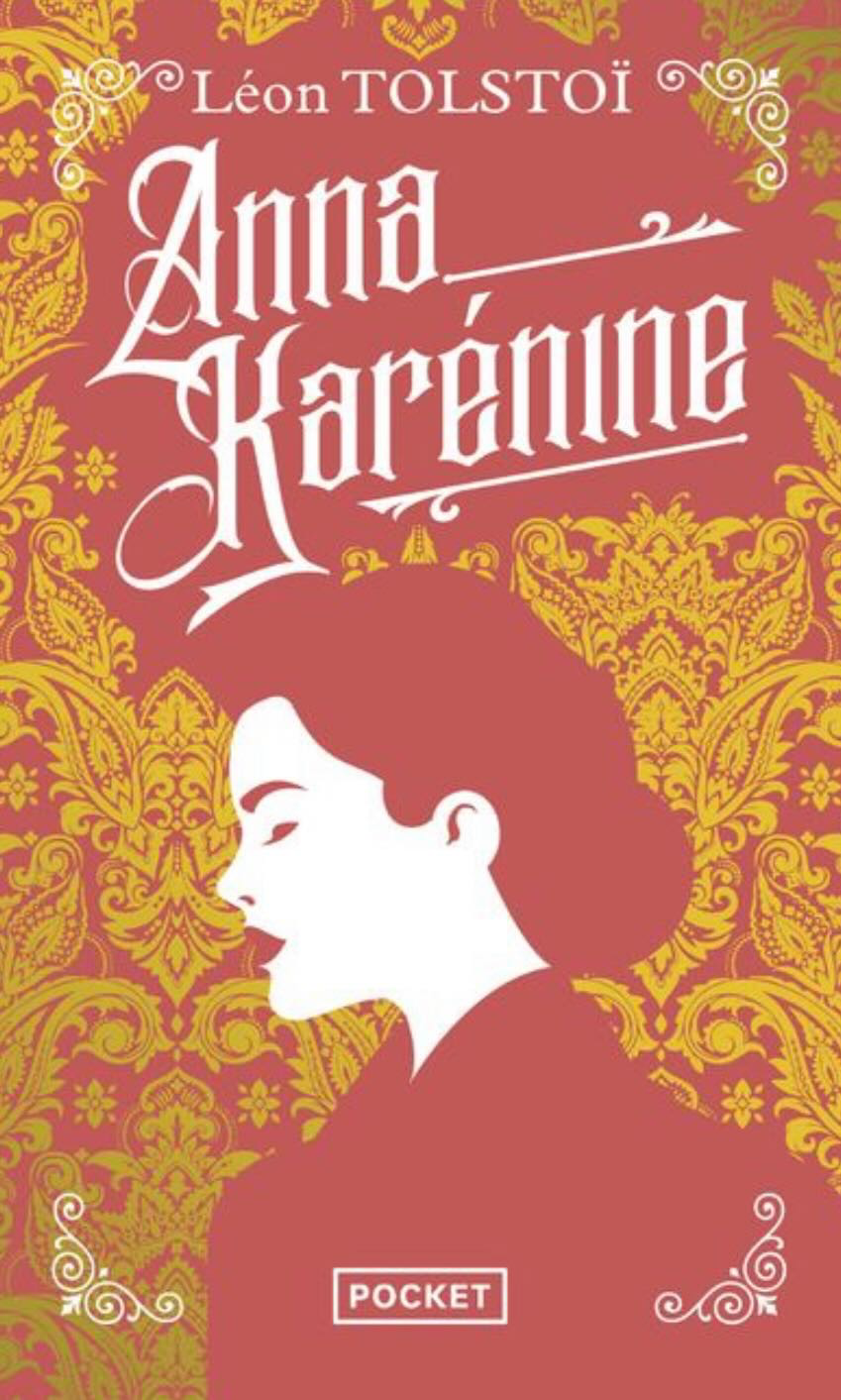
D’abord, parce que je désirais effectivement le lire.
Or, pour une raison qui m’échappe un peu aujourd’hui, j’ai mis un temps infini à mettre la main dessus. Il est vrai que je voulais le découvrir en version papier (et non en epub, sur un écran) et que son le rendait globalement indisponible en bibliothèque, mais j’ai fini par en trouver une très bonne traduction, éditée chez “Le Livre de Poche” (comme quoi…)
Beyond these circumstances, this book is also (and foremost) desirable for its content.
De fait, c’est bien plus qu’un livre : c’est un monde entier (certes peuplé d’êtres imaginaires), tout un ensemble de thèmes et d’idées à méditer et, enfin, une œuvre d’art.
Un brin de contexte
Tolstoï intimide, un peu comme Dostoïevski, ne serait-ce que compte tenu du nombre de pages de ses “grands romans”.
Et pourtant, telles les meilleures œuvres d’Alexandre Dumas (dont Anna Karenina partageait, en l’occurrence, la publication en “feuilletons”), on les dévore.
Moreover, these Russian novels do present the trouble of naming every characters through 3 to 4 ways : first and last name, but also a patronymic middle name, and even sometimes a title (count...) or a rank (captain...)
Hopefully, it seems that there are less protagonists in Anna K., compared to "War and Peace".
Finally, as the action takes place in the 4th quarter of the XIXth century, it makes it easier to understand the social relations in the (Bourgois) society – in the classical way of the "Belle Epoque".
All of this makes it rather accessible... and I would encourage a new comer to Tolstoy to begin with this very novel.
The writing process took place during the late 40s of the author, between 1873 and 1877, in the form of a series of publications in a journal (with a crazy editorial success).
It seems that the end of the novel (which is indeed quite peculiar, and yet very logical in its own way) bothered this journal to such an extent, that they refused to publish it !
Anyway, everything tends to show that Tolstoy was then at the peak of his creative career.
A cinematographic material
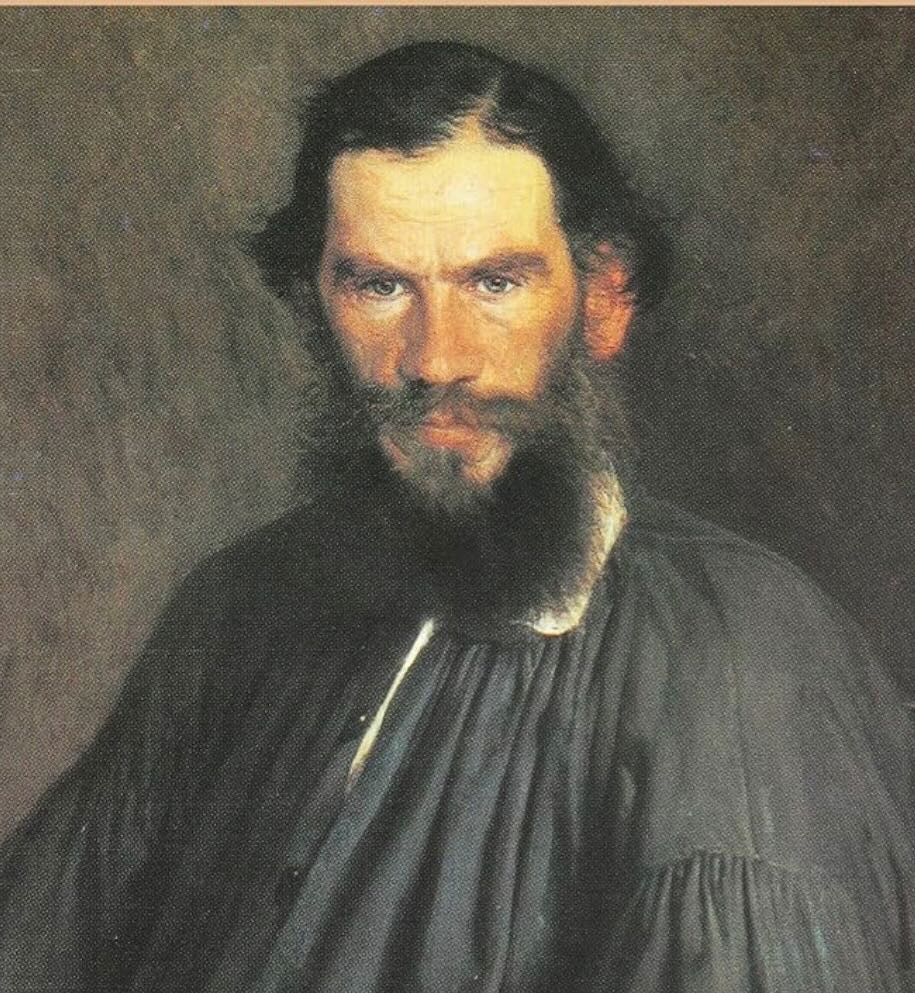
It seems there has been no less than 18 versions made for the cinema of the TV, not mentioning the countless adaptation for the stage (theater, ballet...)
Of course, I'm very far from having seen much of it and yet, that should be interesting to experience the stage adaptations by Jean Anouilh or even Stanislavky, or to look at the 1948 movie, with the great Vivien Leigh in the lead.
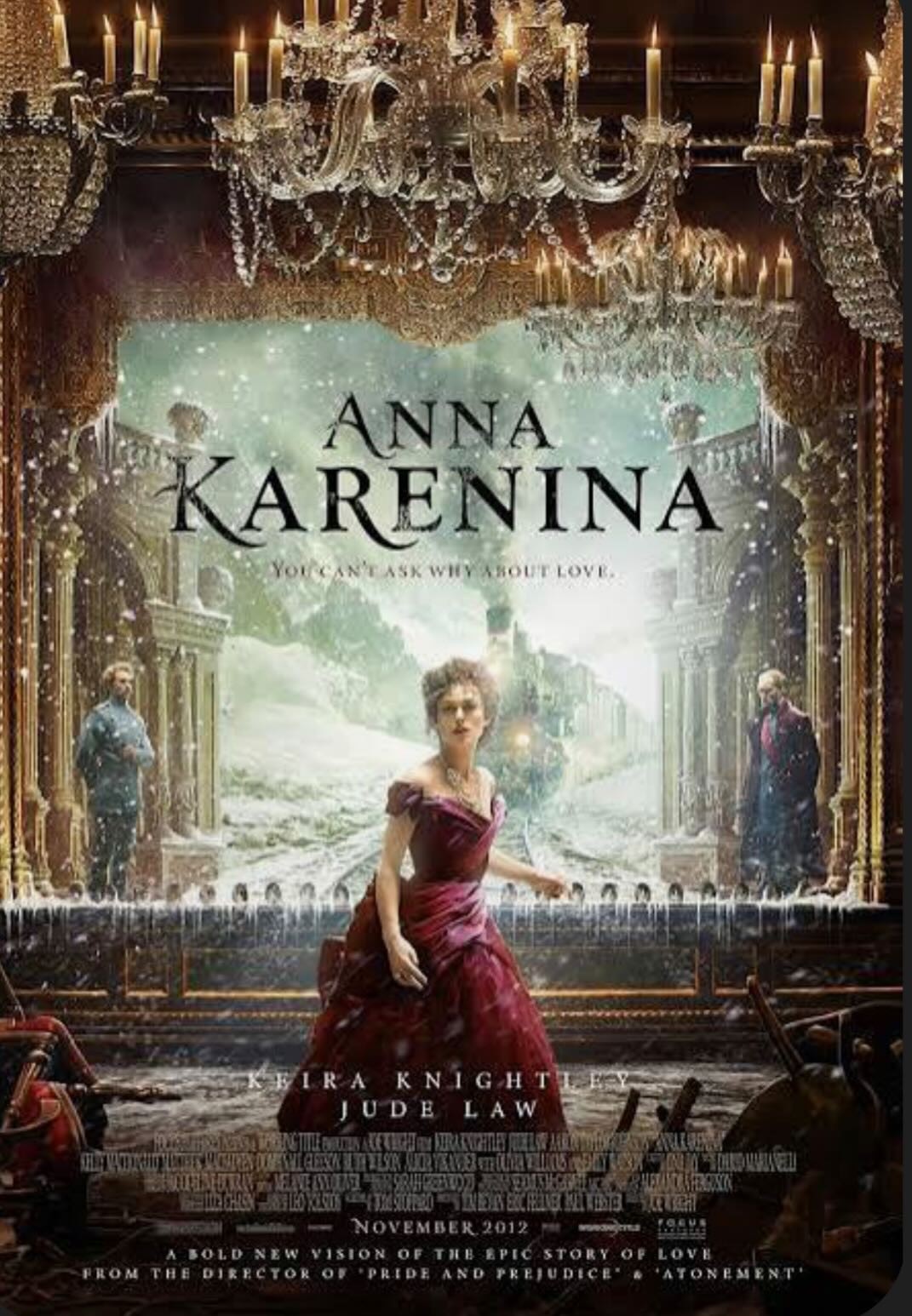
As a matter of fact, my first encounter with this novel happened through an English movie, produced in 2012, with Keira Knightley, who delivered a decent job (if I remember correctly).
And yet, this movie didn't left me any memory... other than an excellent sequence of summer harvest, when Levin (Domhnall Gleeson) throws itself in this heavy work, along day-to-day peasants – a truly magical moment.
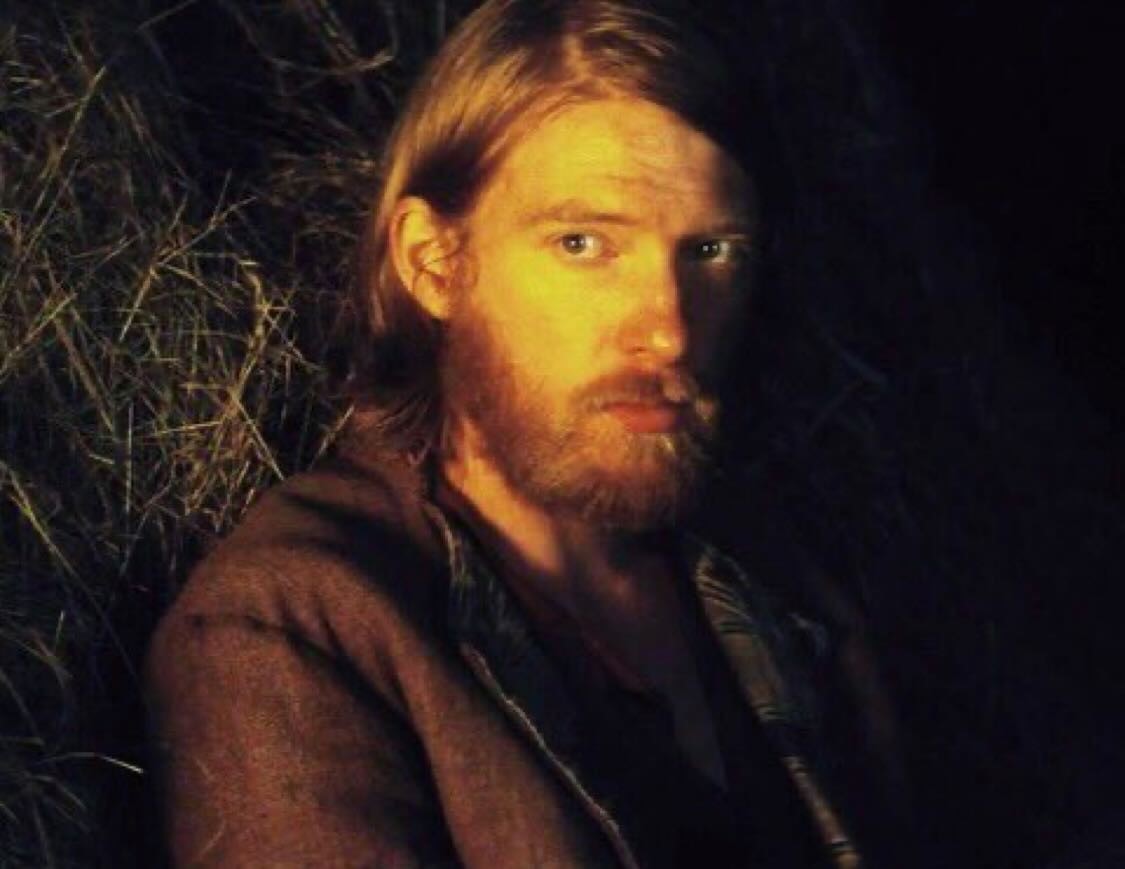
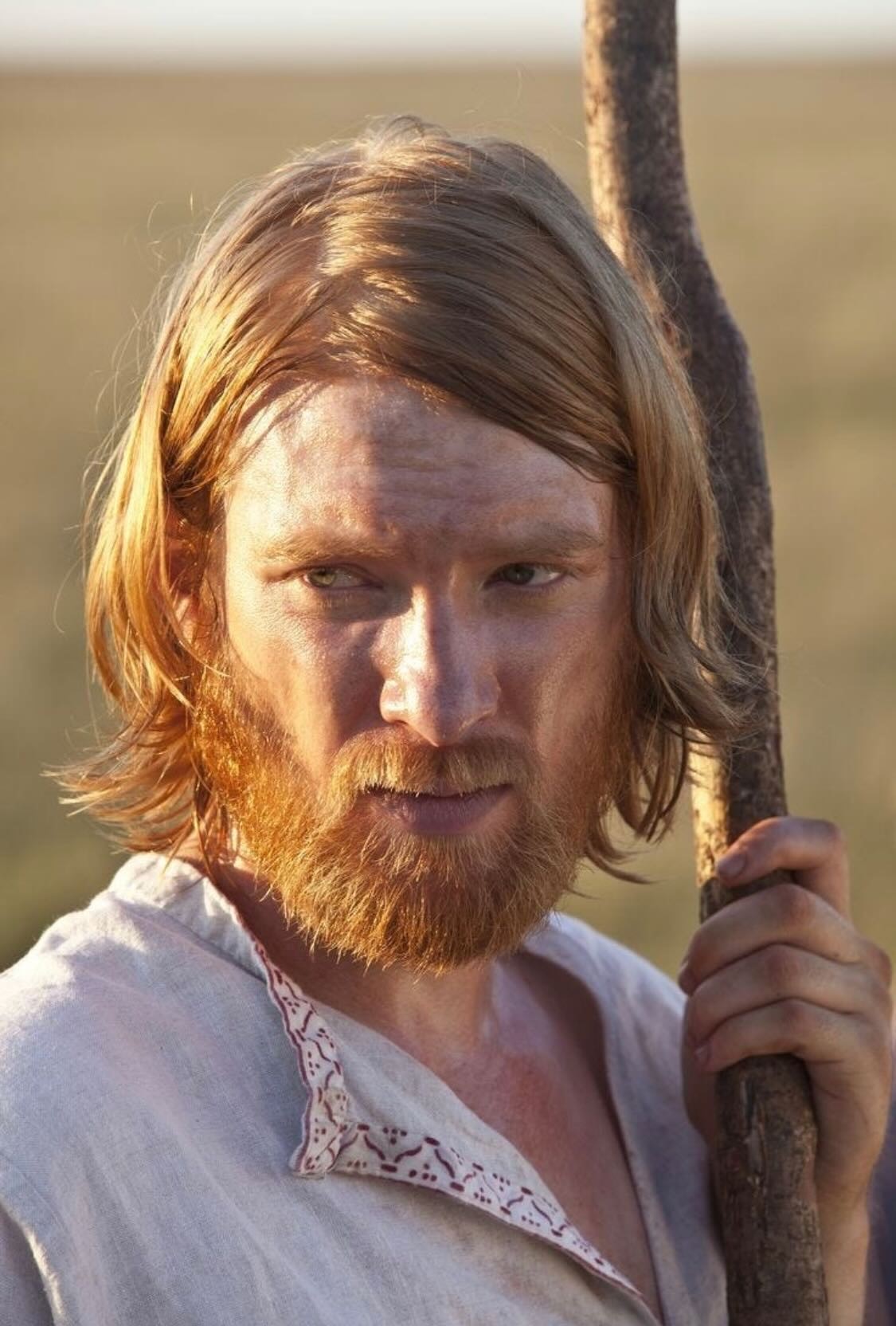
But other than that, the rest of the movie seemed "transparent" to me.
And it is actually logical : how on earth could we hope for anything else, when the core material of the novel is only skimmed, in order to produce a 2 hours entertainment result (both commercial and superficial, I'm afraid).
So let's forget this very forgettable movie and focus instead on the novel itself.
Mais qu’y a-t-il de bien, au juste, dans ce bouquin ?
I confess it gets more slippery for me to write about such a work - but, let's take some risks !
Tolstoï attaque d’emblée avec une scène de ménage – et je ne gâcherai rien aux futurs lecteurs (puisqu’il s’agit de la deuxième phrase du livre) en révélant qu’un mari et père de famille se retrouve pris sur le fait, les doigts dans la confiture, d’une amourette extra conjugale.
His sister, Anna, comes down from St Petersburg, hoping to help them to reconciliate the family.
Everything begins in a very light way, but very lively... and here we find ourselves charmed by these imaginary people !
In one word : we're trapped into Tolstoy writing skills.
But beyond the plot and its development (into something deeper), the true force of the novel is to offer us, sequence after sequence, dizzying highs.
Such moments are actually more frequent than in "War and Peace" (and there were quite a few, notably : the unforgettable bal scene ; the cards play when Nikolaï loses everything he has and even far more ; and of course the Borodino battle along prince Andreï), but in Anna Karenina, such moments keep coming on and on, with such an intensity that the reader keeps on crying and asking for more :
- From the very beginning, the situation of the unfaithful husband and his states of minds begin fairly high ;
- The horse race is stunning ;
- The whole sequence of haying and reaping is marvelous ;
- The marriage proposal, with two young people being in such a connection that they can communicate with the first letter of each word only : a pure joy, a feast of intelligence and sensibility (which would ask for exceptional actors to render it correctly) ;
- La lente agonie d’un moribond nous met sur les rotules émotionnelles (dans le même genre que dans “La mort d’Ivan Illitch”) et nous laisse songeurs quant à la question de la vie et de la mort
- At the opposite end, the child delivery (from the perspective of the father) is like a literary pearl ;
- The hunt for pheasants makes you wish to come along (and yet, I'm afraid that hunting is not really my thing) ;
- Globally, the emotional course of Anna herself is of such depth and truth that it shakes the reader to the core...
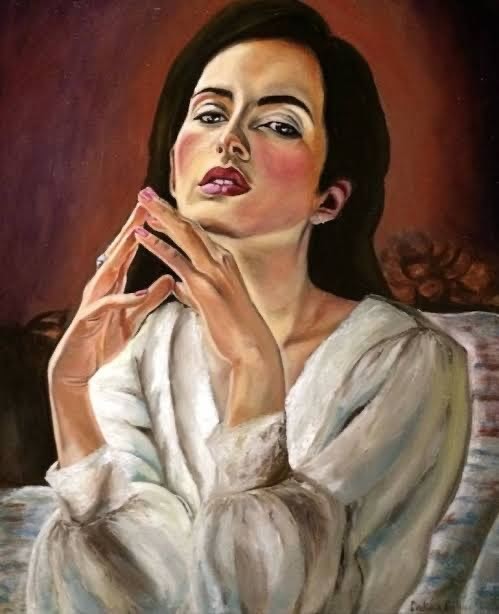
You've got it, this is not only a good story. We're really dealing with something else : it is actually a top-tier emotional and artistic experience.
I bet it would shake even a reader new to Literature. And I guess that how we recognize great works of Art : it talks to everybody !
But there is a but!
Tolstoy knows how to put the states of minds of the characters, in his own specific way, but doing so he often judges them, and sometimes quite harshly (even if it looks like a parent judging the actions of his child, while still loving them).
It is a writing process, where the author puts himself "over" the characters... We would never ever find such thing in Dostoyevsky, for instance, where the reader experiences directly what's going on for the character, without any external comment from the writer.
Nevertheless, even if this is a quite arguable way (and reveals in its own way, the writer's ego), this is done in such a fine and intelligent way that it's easily forgettable.
To conclude, please let me state it once again : Anna Karenina has a place in the Mount Olympus of Literature.
This is an exceptional novel, which hasn't lost any of its emotional drive – a true work of art to discover (again ?)
PS : here are a couple of translations, which seem decent : https://welovetranslations.com/2021/06/18/whats-the-best-translation-of-anna-karenina/
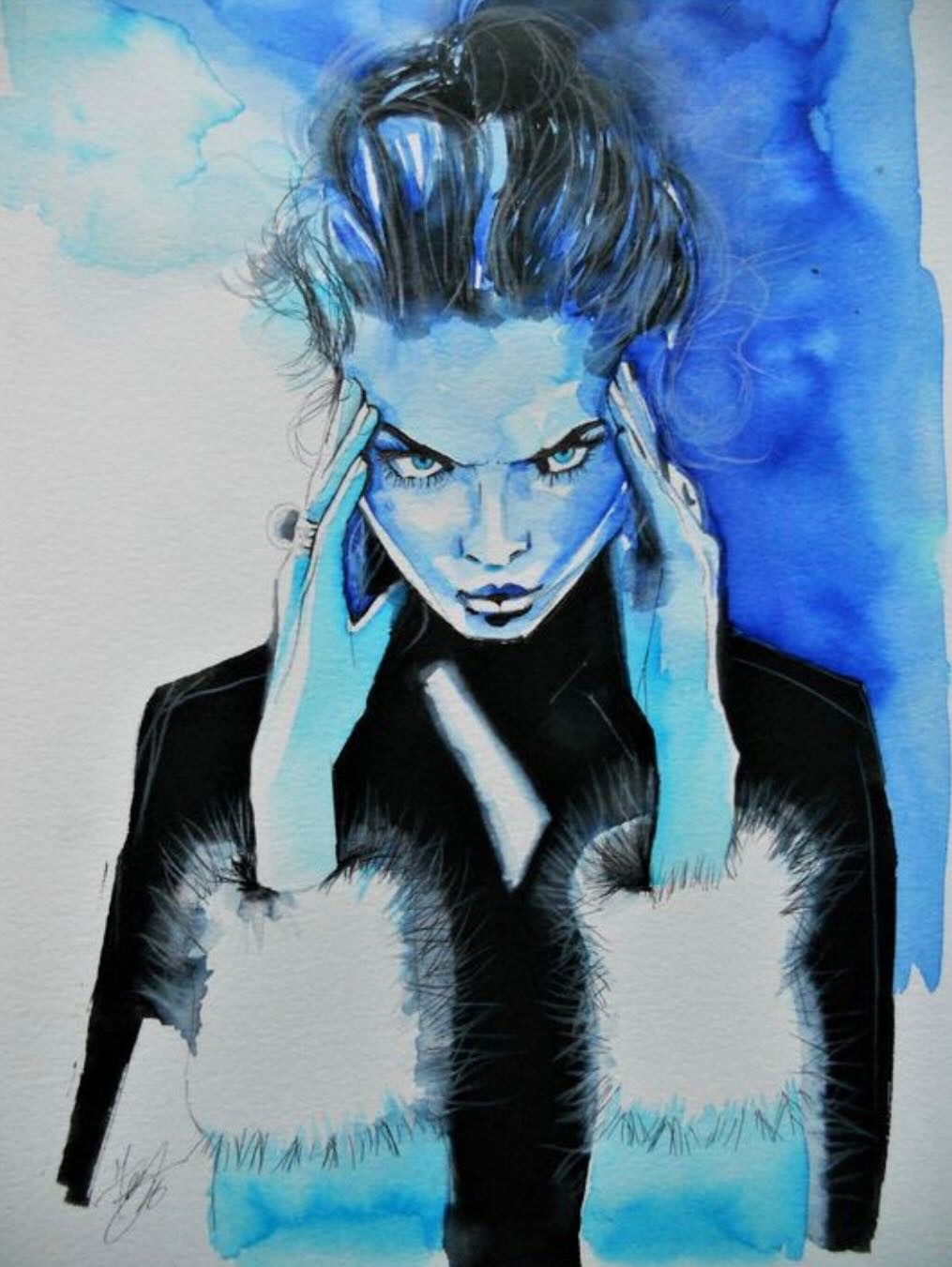
PPS : here is a graphical interpretation of quality, by Federica Masini
https://www.artpal.com/federicamasini?i=161637-373
 English
  Français