In France, and quite a few other countries as well, the 11th November is a special day, as it rings with the end of combats in World War I. But in practice, it’s actually more like an opportunity for a public holiday.
And as a matter of fact, who actually go to commemoration and remembrance ceremonies?
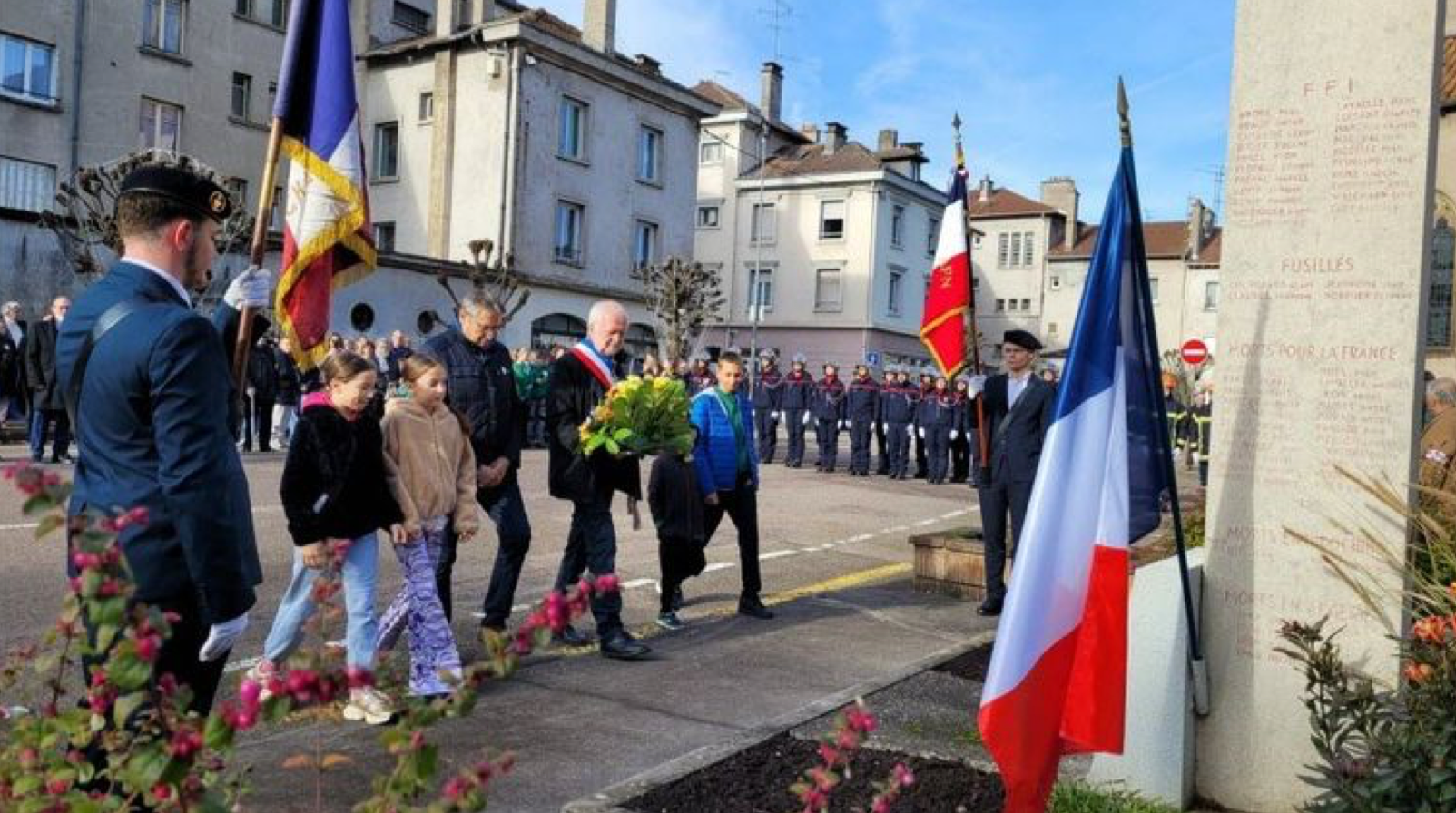
While I was working on the stage adaptation of " “all quiet on the Western front ”, by Erich Maria Remarque, in the perspective of the centenary of WWI, I noticed how tired of it were politicians and other attendants. And I somewhat understood it : who actually cares about it anymore?
Considering this, it is not so astonishing that the whole world seems to be preparing for the next great war to come. And I find it pretty horrifying, to be honest.
Anyway, during the latest 11th of November, my father asked us to remind our own kids about the horror of war.
My dear brother (who I love really much, even if we’re not always on the same line, thank God !)), answered him that the horror might not be the only important thing to remind the kids about : remembrance, sacrifice, as well as a certain kind of "flame" to maintain alive… all in all our exchange got quite inflamed indeed !
I spare you the ins and outs of this family debate (which actually was quite interesting and informing about the state of minds, in the current world), in order to stay on tracks with the objective of this very blog : the perspective offered by artistic works (in this case cinematography), to express the madness and vanity of the war phenomenon.
Looking at the stills and extracts of these movies, in preparation of this very post, I feel there is a lot to think... and cry about...
- Die Brücke : the bridge
In this German movie, the action happens in 1945, and there isn’t many men left to defend the "fatherland"… and that’s how teens are recruited to keep resisting against the allies' push.
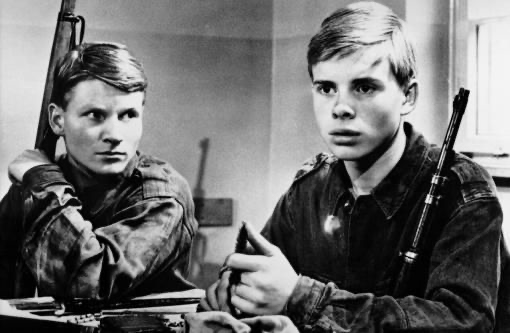
Hopefully even among military men, they are still people with common sense, people who know that this sacrifice would be meaningless.
I actually recall a dialogue between two mature soldiers, one of them having to take care of these young recruits :
- Do you know what’s the most important thing in war ?
- Sure : not to get killed.
That is why these young soldiers (obviously without any training) are sent to protect a given bridge. This is actually a very silly objective as everyone knows that the enemy tanks wouldn’t go this way. This permits to keep the teens safe.
But in the confusion of the war, the recruits lose their officer. They stand there, by themselves, their heads full of propaganda, with war weapons in their hands.
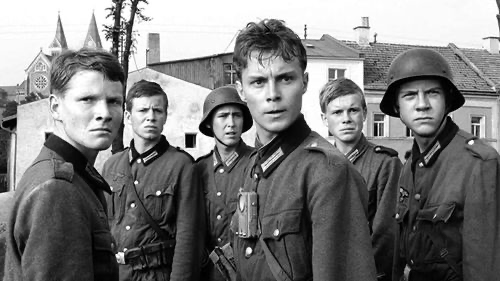
Out of bad luck, the American tanks arrive precisely in front of this very bridge, and that’s where the whole concept of bravery and sacrifice loses all its significance.
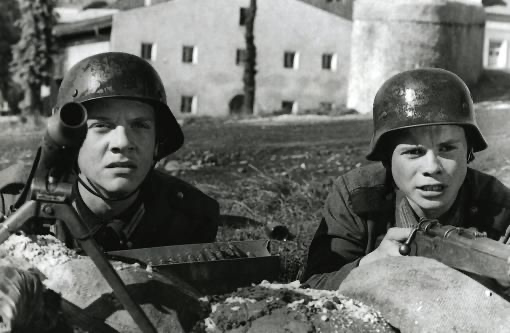
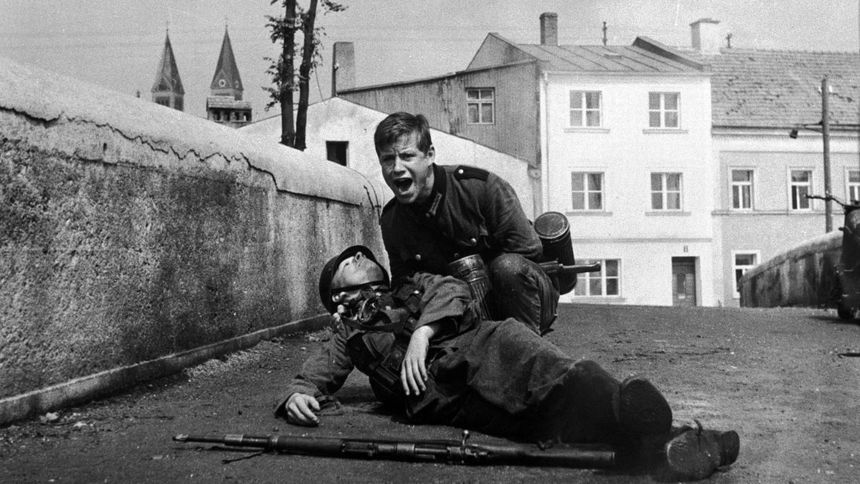
This is an excellent movie, very touching and even quite heartbreaking.
2. Das boot
Voici un autre film allemand, portant sur la seconde guerre mondiale, en l’occurrence avec la “kriegsmarine”, c’est à dire le front naval.
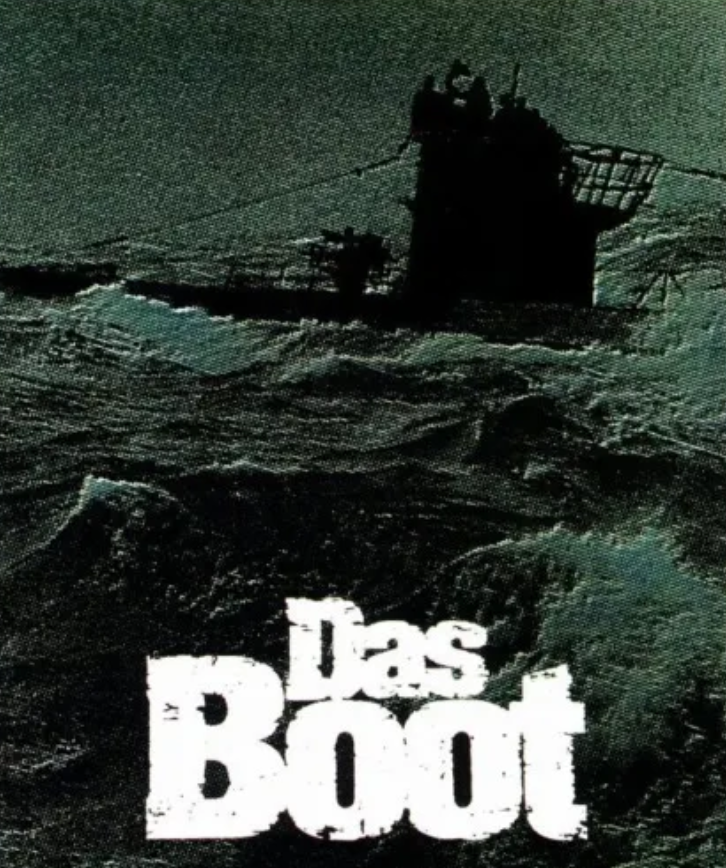
In the beginning, the submarine team is good looking, with brand-new uniforms and the most modern version of the German U-boot.
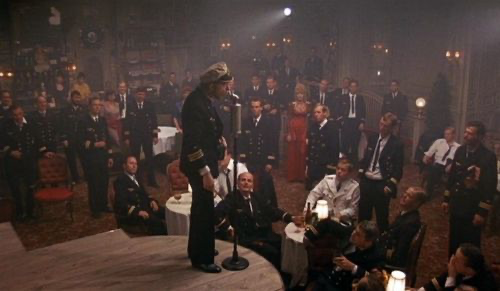
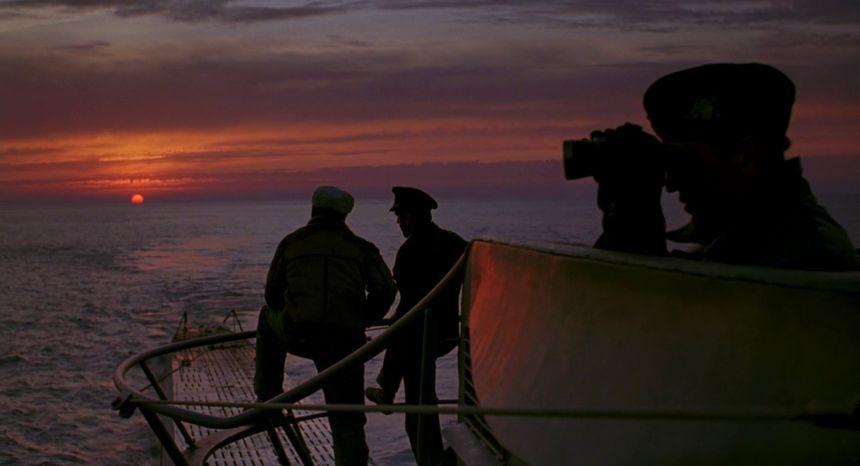
But as time goes on, initial success give place to setbacks, and the mood changes.
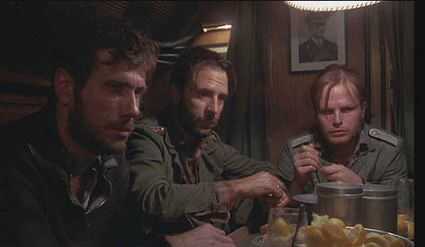
The tension rises together with the water pressure, as the bolts let go one after the other, up to unbearable levels.
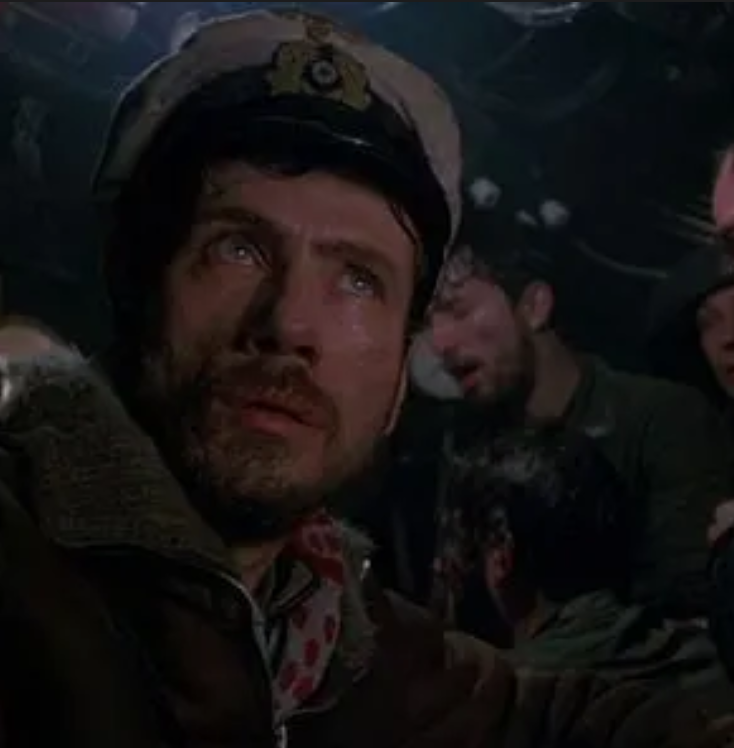
Finally, the whole thing appears meaningless in plain sight : all of it for what ?
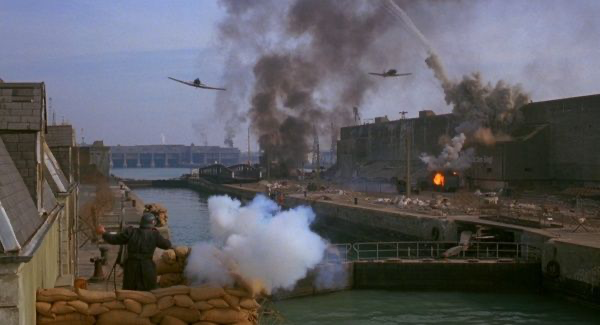
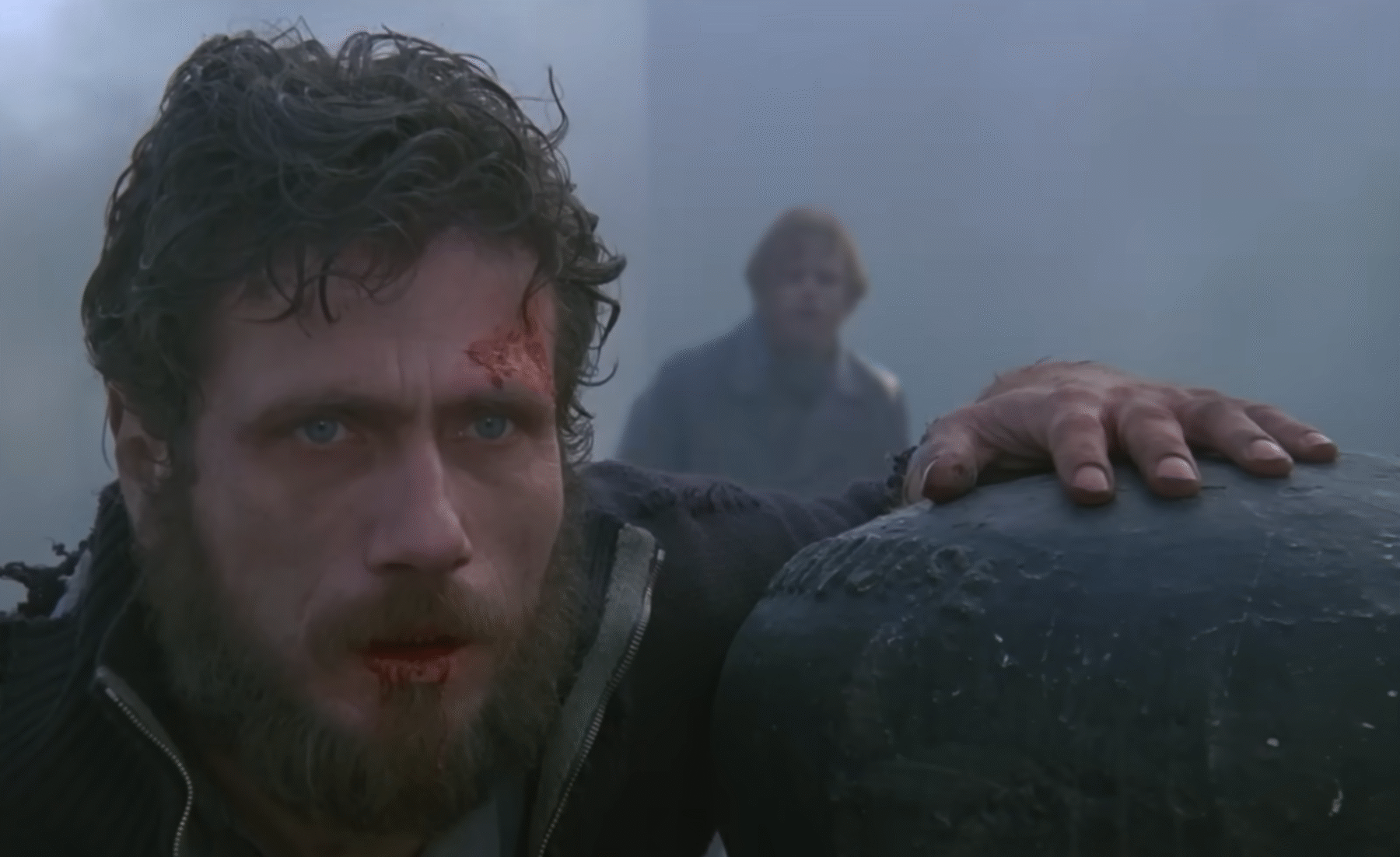
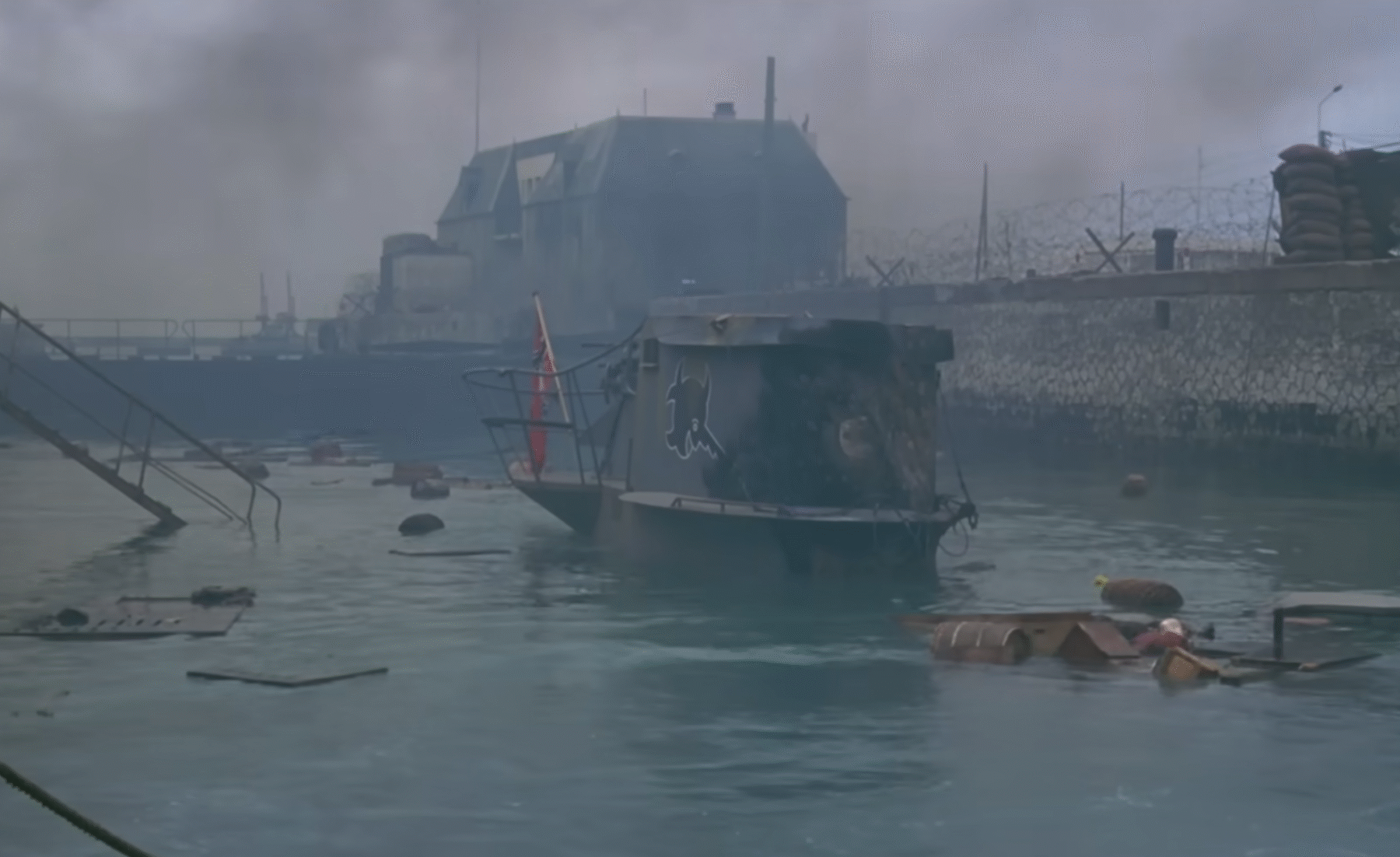
An exceptional movie, and quite awkwardly fitted for families !
3. The young lions (1958)
This is one of my favourite movies, thanks to the great acting by Montgomery Clift (in his best part), Marlon Brando in the role of an “aryan” soldier, as well as the excellent Maximilian Schell (not his best part, but still quite fine).
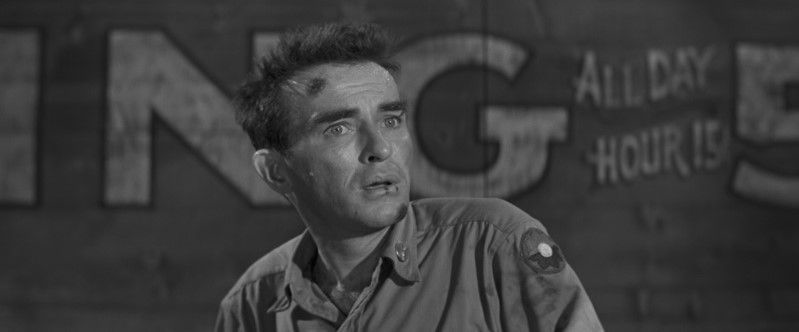
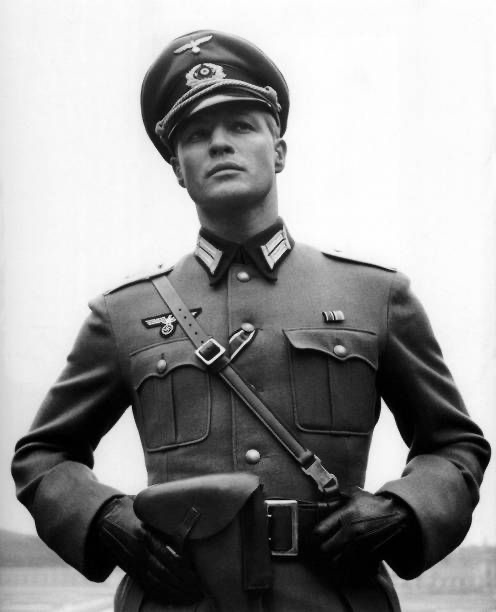
We follow two separate lines, American on the first hand , versus German on the second. Those dramatics lines won’t actually cross, or very little, but each one is full of expectations, encounters and disillusions.
This film is rich with useful insights, thanks to these multiple perspectives, at human and personal scales.
I admit that it is a bit dated (50’s), but if you can accept this, you should find it very good.
4. Land of mine (2015)
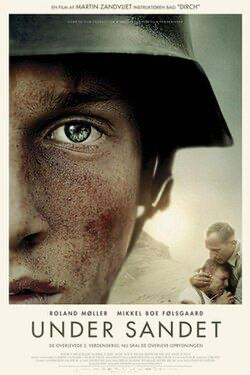
This is a danish movie. The action takes place at the end of WW2, after the German capitulation.
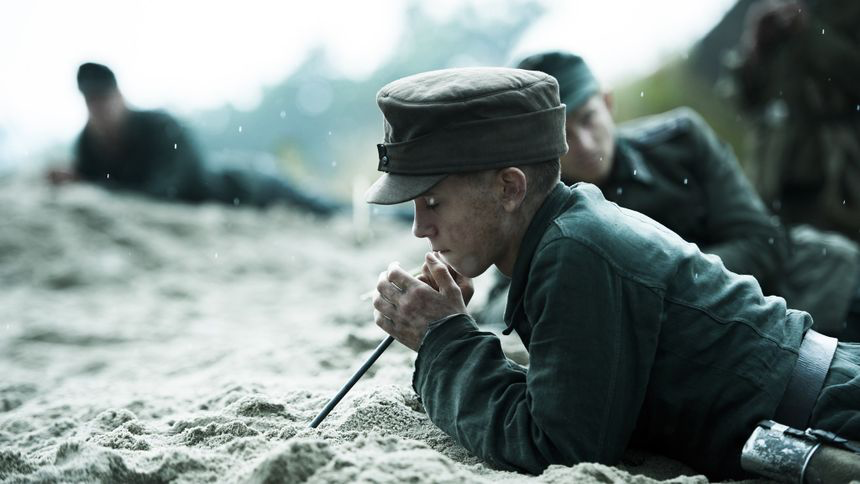
The danish military, quite revengeful, keep local prisoners of war and force them to clean the beaches of land mines. After all, isn’t it fair ?
But if the military system is responsible for it, are the poor guys directly guilty ?
Furthermore, these are, once again, 16 or 17 years old boys, who probably didn’t do much… (but who knows ?)
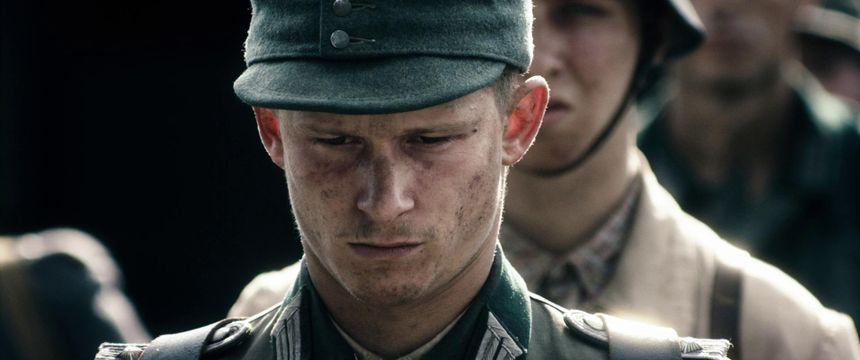
And there they are, deactivating land mines, which is to say that they work 20 cm away from death.
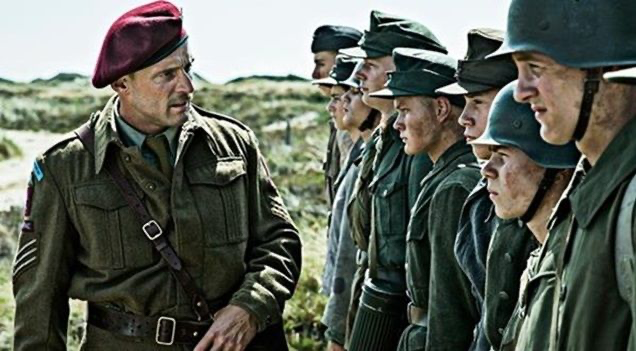
The danish officer who deals with them is a tough one.
But, within weeks, his attitude changes, and this situation begins to make him wonder about it all… How could he deal with a potential catastrophe?
This movie is quite new (2015]. It is aimed at an adult audience only, considering the unbearable tension and the pervasiveness of the tragedy.
Please have a look at the trailer :
5. Paths of glory
This movie, directed by Stanley Kubrick in 1957, was so embarrassing, that it wasn’t shown in France before 1975 !
Cette fois, l’action se passe en 1916 ou 1917, à l’heure des grandes offensives inutiles. Les généraux des états majors ont tous leur idée lumineuse pour changer enfin la donne et effectuer la percée miraculeuse (Pétain était, à ce moment-là, l’une des exceptions), grâce à l’audace (toujours l’audace !) et au culte de l’assaut.
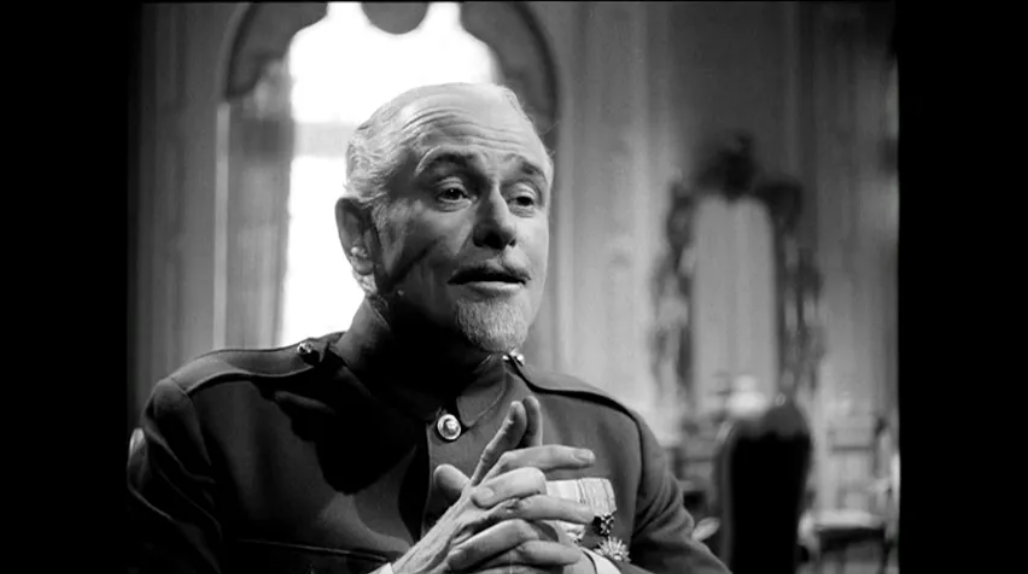
But things obviously don’t go as theoretically planned, and some of the soldiers won’t even get out of their trench lines (despite being bombed by their own canons). In this situation, a scape goat is indispensable!
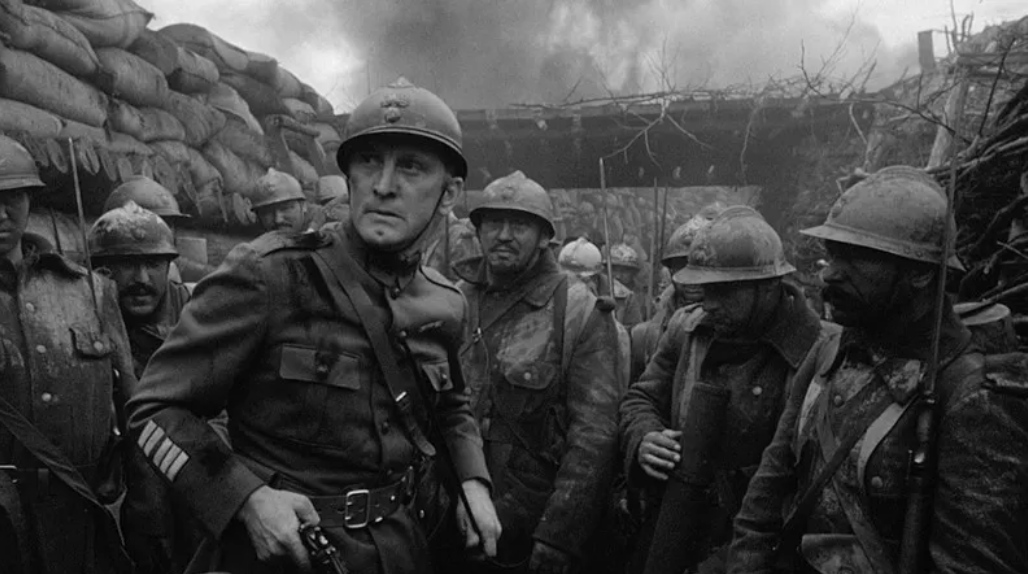
That’s how a few guys are more or less randomly chosen, judged and condemned to make a example.
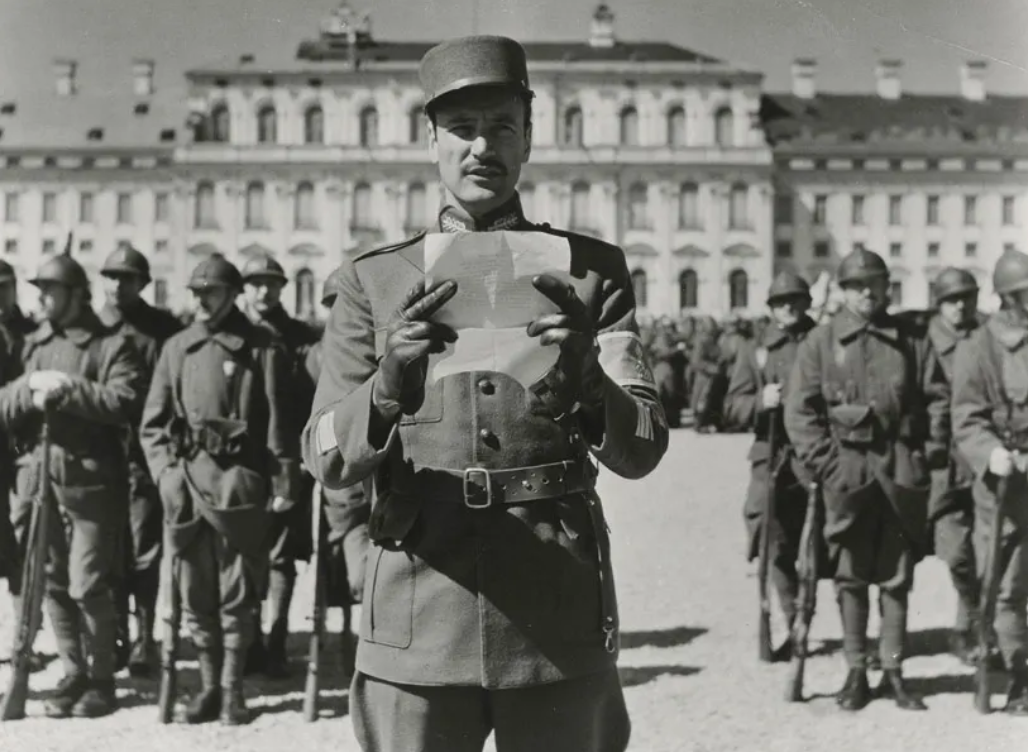
The execution scene is almost mythical, despite being very difficult to watch (emotionally heavy charged) and absolutely essential to experience. It clearly shows the war frenzy, and we’d better remember it, instead of blindly calling for another collective suicide.
En voici la bande annonce (d’époque) :
—-
While having a fresh look at these movies, I order to prepare this post, I understand that they actually have something in common : all of them begin with some kind of “fever", along the idea of glory, sacrifice for the nation… and end with a return to solid grounds, personal disillusion and a humanist significance.
What do you think about it ? Please use the comments to react (even if you don’t agree).
Do you have other references to share, with artistic scopes able to lighten us in the troubled times of ours?
V.
PS : une liste externe de films dans cette dynamique (que je n’ai pas tous vus, loin de là)
 English
  Français