Dear reader ;
Pardonnez, je vous prie, l’écart entre mes billets. J’étais (et suis encore) bien malade et n’ai su trouver les forces créatives nécessaires, pour achever le storyboard du court métrage “aux miroirs” que je comptais vous présenter.
En revanche, j’ai pu réunir quelques impressions de lecture, lesquelles commencent… avec une anecdote.
A good deed
It's been some months that a rather old and kind man lives near the entrance of our building.
It's hard to communicate directly as it seems that he has had to endure a tracheotomy. But each time that we see one another, we share greetings non verbally.
Every evening, he arrives there by 7:30 pm, reads some newspapers, and then gets inside his sleeping bag.
When I get home late, the automatic lighting control turns on and even awakens him at times. Of course, I feel very sorry about that, and the man would greet me a "welcome back" sign, with his hand…
How friendly a person, isn't it ?
Once, I tried to share a "French baguette" that I'd just bought for the family, but he refused it, making me understand that he didn't have any teeth left… Wow !…
But, the other day, as I went home with a water melon, I thought it might suit him, especially with the ambient heat…

My dear daughter cut pieces of the fruit, in order to put them inside a plastic box, together with a spoon, all covered with a plastic film (just in case he'd prefer to keep it for the next morning). She also added a little heart, cut in paper (that's her signature I believe…)
I feel it is of utmost importance that she sees and understands deep enough, that there are indeed people living in the streets, that those people aren't bad persons, that he could happen to anybody, and hence that we're very lucky to benefit from a home. Finally, I'd like her to understand that if we can help in any way, we should do it.
Obviously, in this case, that was very little - just an attention to the other… and it reminded me of the infamous "good deed" that we were taught to do every day, at the boy scouts…
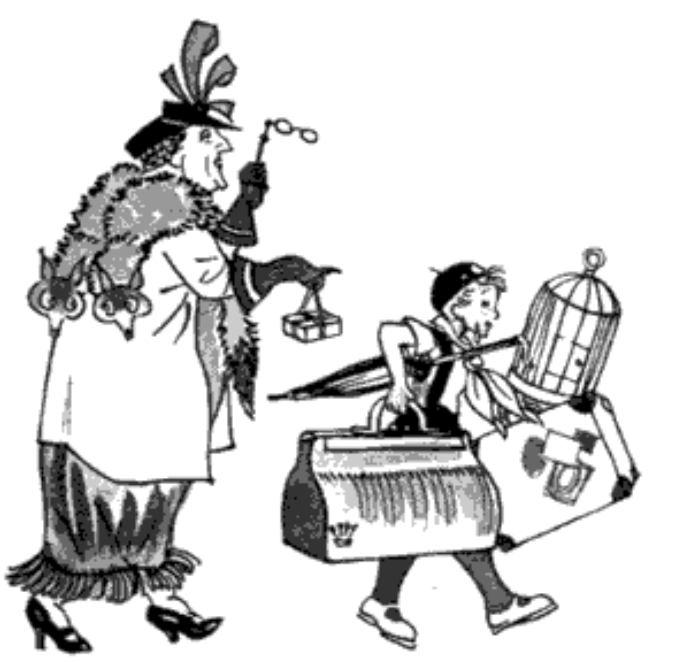
Then, it made me think about "The fall", by French author Albert Camus.
The fall
This novel by Camus is relatively short, about 130 pages, and was his last published work (1957). To me (and I bet for quite a few readers), it was like a slap.
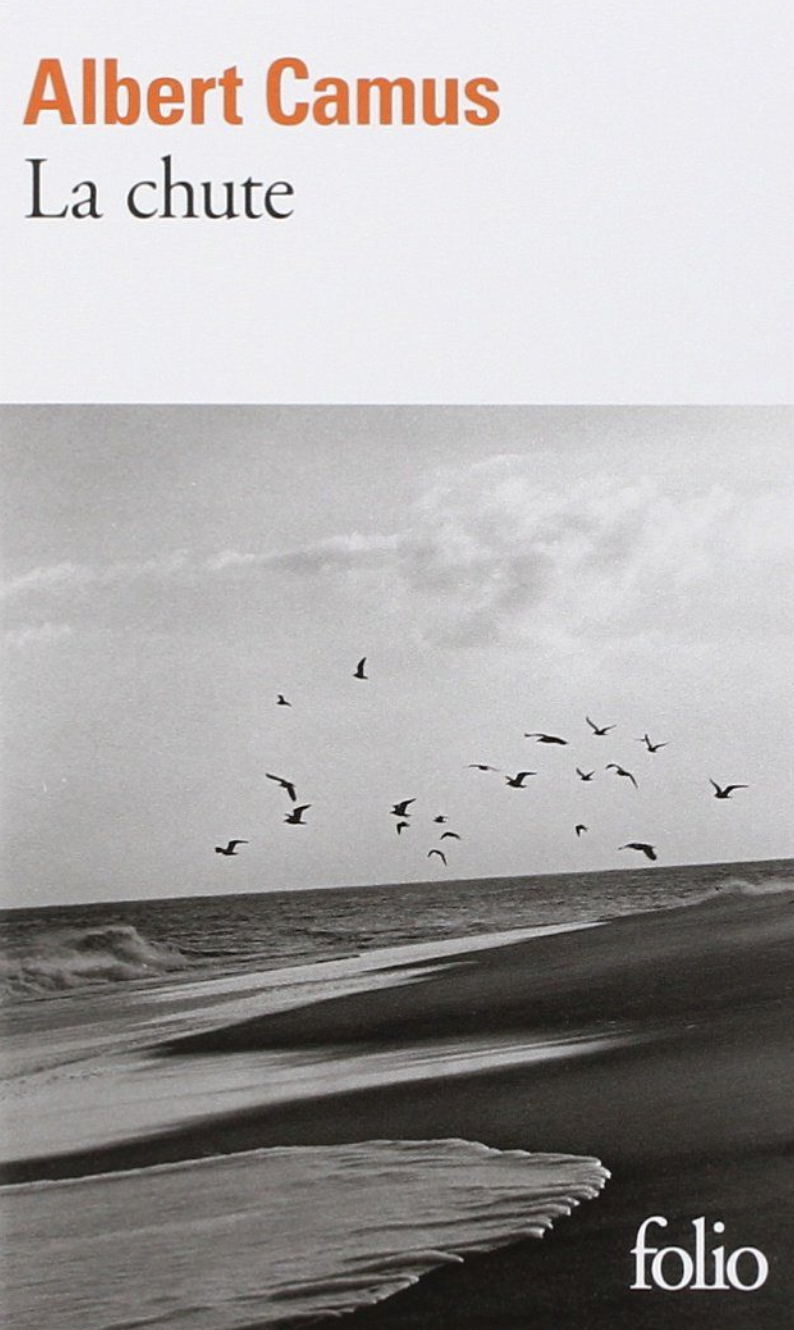
First of all, the writing style is quite surprising with a first person account, from beginning to end ; and it is indeed a great oral monologue (whereas "The stranger", another immense novel buy Camus stayed on the internal side). We can imagine the reactions of the listener - as there is one - thanks to the words of the teller himself.
Of course, this has a strong theatrical resonance, but with a language level quite formal and reminiscent of the bourgeois society…
May I, Monsieur, offer my services without running the risk of intruding? I fear you may not be able to make yourself understood by the worthy gorilla who presides over the fate of this establishment. In fact, he speaks nothing but Dutch. Unless you authorize me to plead your case, he will not guess that you want gin. There, I dare hope he understood me ; that nod must mean that he yields to my arguments. He’s on the move ; indeed, he is making haste with a sort of careful deliberateness. You are lucky; he didn’t grunt. When he refuses to serve someone, he merely grunts. No one insists. Being master of one’s moods is the privilege of the larger animals. Now I shall withdraw, Monsieur, happy to have been of help to you. Thank you ; I’d accept if I were sure of not being a nuisance. You are too kind. Then I shall bring my glass over beside yours.
Obviously, I felt like an urge to work on a radiophonic version of it, but I soon understood that it would last 2 to 3 hours.
Moreover, it would be something of a brilliant (intelligent) kind of theater, which I'm less interested in nowadays. And finally, such versions already exist… Could I bring something new ? Anyway, the reading is marvelous ; I much confess it somewhat flatters the reader's ego… and I bet Camus chose to do that for a good reason, as in order to fall very low, it's better to rise high at first, isn't it ?
Of the substance, beyond the form
As everything starts in a fine and tasty way - a little bit stilted actually - we progressively dive into the fall of our narrator.
It all begins just like the "good deed" mentioned earlier.
In a first part of his life, our man was a lawyer, you know : this kind who would defend the accused and even possible criminals… Representing them in front of the institution and in front of the society as well, he would offer them a way to be heard by a world that might not be theirs, right ? In other words, that would give them a last chance to be understood and, possibly, to get out from hot water…
But our man also liked to help blind persons crossing the street, to buy flowers to the poor old lady in need, or to guide passersby their way through town…
A good man, right ?
But then comes a night, when he crosses a young lady on a bridge over the Seine river. She seemed to feel all alone, looking down to the stream.
So he passes by and feels some kind of diffuse confusion, like if something was retaining him, but he goes on.
After a few meters, he suddenly hears the sound of something splashing in the stream. He stops but doesn't turn around.
A shout rings in the air, then another one. Our man is still frozen. Time is suspended. There is still an inner pulsation within, but an inner voice tells him : "too late, too far".
After a few moments, the man finally takes a step… and walks away.
You've got it : this unexpected confrontation acts as a revealing and catalyzing factor. That is the beginning of his fall.
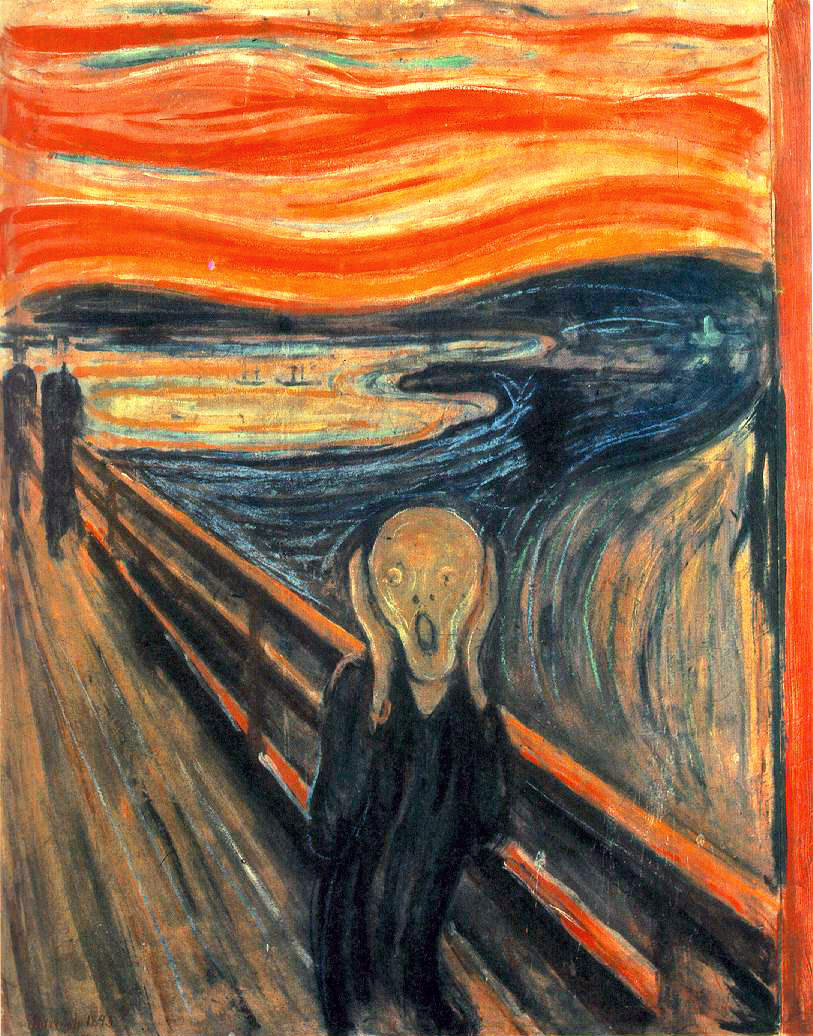
The scream, Edvard Munch (1893)
When we discover who we are and, obviously, who we actually aren't, there is something like a loop hole or a hollow space. Our man opens himself to this sudden void and understands : beyond the appearances of the social life, which actually seems like a varnish , stands another self, naked as the emperor.
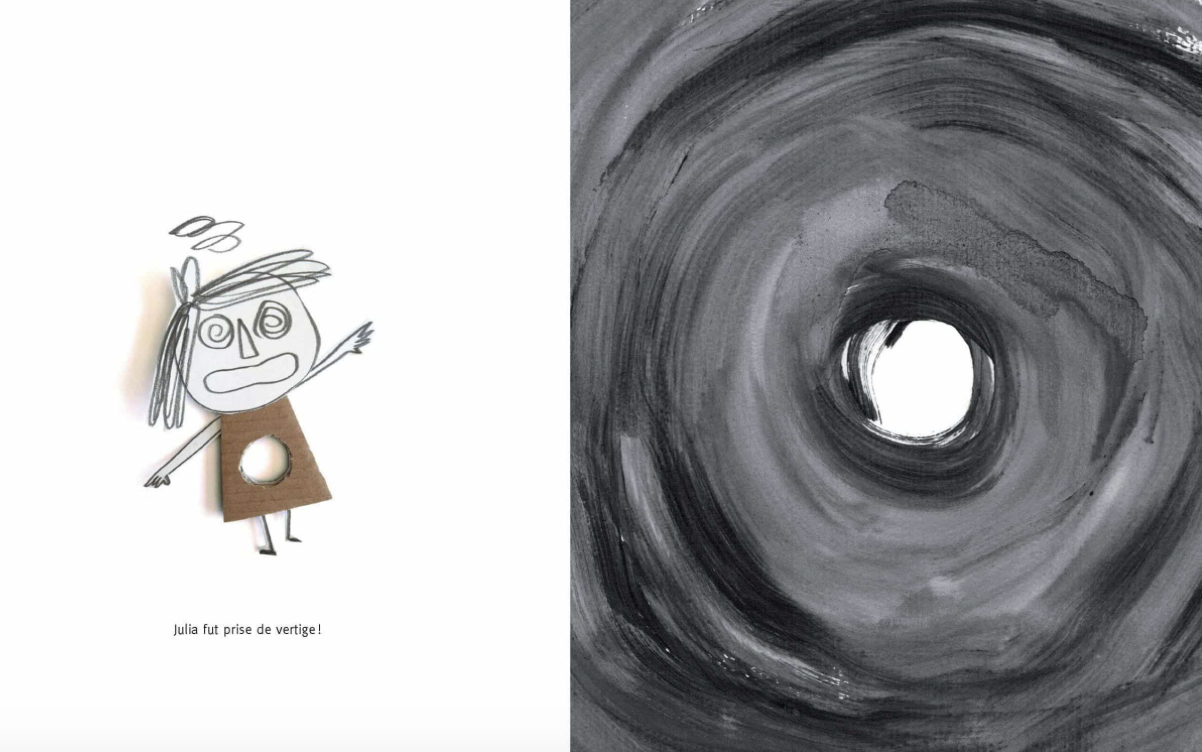
“Le vide”, d’Anna Llenas : extrait de cet excellent livre pour enfants
Du reste, son égoïsme est, évidemment, le nôtre. Quand il s’ouvre à son masque, il tombe aussi pour nous.
I often caught myself asking a question which, as a man of experience, I had always previously avoided. I would hear myself asking: ‘Do you love me?’ You know that it is customary to answer in such cases: ‘And you?’ If I answered yes, I found myself committed beyond my real feelings. If I dared to say no, I ran the risk of ceasing to be loved, and I would suffer as a result. The greater the threat to the emotion in which I had hoped to find calm, the more I demanded it of my partner. Hence I was led to ever more explicit promises and came to exact an ever vaster emotion from my heart. Thus I developed a deceptive passion for a charming fool who had so thoroughly read the sentimental press that she spoke of love with the assurance and conviction of an intellectual announcing the classless society. Such conviction, as you must know, is contagious. I tried myself out at talking likewise of love and eventually convinced myself. At least until she became my mistress and I realized that the sentimental press, though it taught how to talk of love, did not teach how to make love. After having loved a parrot, I had to go to bed with a serpent. So I looked elsewhere for the love promised by books which I had never encountered in life..
Thanks to the direct stylistic approach, with the first person account, his story feels like ours and we consequently feel the resonance of his experience ringing with ours.
Ah, mon cher, for anyone who is alone, without God and without a master, the weight of days is dreadful. Hence one must choose a master, God being out of fashion. Besides, that word has lost its meaning; it’s not worth the risk of shocking anyone. Take our moral philosophers, for instance, so serious, loving their neighbour and all the rest — nothing distinguishes them from Christians, except that they don’t preach in churches. What, in your opinion, keeps them from becoming converted? Respect perhaps, respect for men; yes, self-respect. They don’t want to start a scandal so they keep their feelings to themselves. I knew, for example, an atheistic novelist who used to pray every night. That didn’t stop anything: how he gave it to God in his books ! What a dusting off, as someone or other would say. A militant free-thinker to whom I spoke of this raised his hands — with no evil intention, I assure you — to heaven : ‘You’re telling me nothing new,’ that apostle sighed, ‘they are all like that.’
Or also :
Are we not all alike, constantly talking and to no one, for ever up against the same questions although we know the answers in advance? Then tell me, please, what happened to you one night on the quays of the Seine and how you managed never to risk your life. You yourself utter the words that for years have never ceased echoing through my nights and that I shall at last say through your mouth : ‘O young woman, throw yourself into the water again so that I may a second time have the chance of saving both of us !’ A second time, eh, what a risky suggestion ! Just suppose, cher maitre, that we should be taken literally? We’d have to go through with it. Brr . . . ! The water’s so cold !
Camus deals a blow here, and his words vibrate long after the closure of book.
It asks about appearances and the deep essence within.
Même s’il ne l’étudie pas ici, cela fait songer aux différentes persona que semble exiger la bonne société et son conformisme social. Dans ce cadre, n’est-il pas préférable de rejoindre un milieu plus simple, plus direct, avec moins de faux semblants ? C’est ce que semble chercher notre narrateur, en quittant Paris, pour aller plutôt sous un ciel bas, dans le plat pays et les bars à marins d’Amsterdam.
"The fall" doesn't leave the reader intact, and that's good. Maybe can we benefit from this awareness and even save time ?
Maybe, indeed, will this help and prevent us from giving everything up ; rather tuning up to ourselves, in a easier way ?
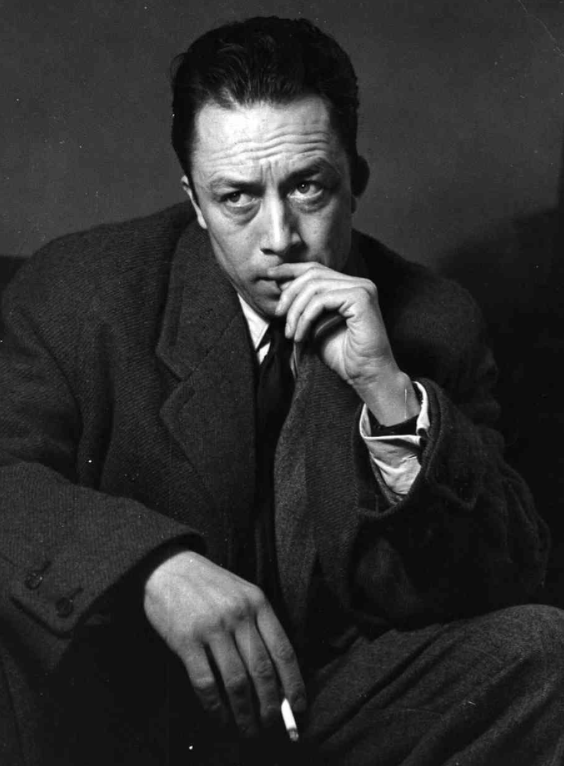
Camus offers us a gift - with a bitter taste, for sure, but isn't it typical of true works of art ?
Anyway, it all helps us to get back to our senses and to our true self, which is, after all, a lifetime's work.
V.
The text can be found, in EPUB :
- in French : https://archive.org/details/camus_la_chute
- English translation : https://archive.org/details/in.ernet.dli.2015.125150
Je n’en doute pas, il existe aussi dans votre langue maternelle…
 English
  Français
2 responses to “Impressions : “La chute”, d’Albert Camus”
I like the helpful info you provide in your articles.I will bookmark your blog and chedck again here regularly.
I am quite surte I’ll learn a lot of new stuff right
here! Good luck for tthe next!
Cool ! Thanks for your comment and you’re welcome !