My first contact with Literature happened through Stefan Zweig.
This actually made a lot of sense, as his writing is within reach for neophytes : fine tuned but accessible, with psychological acuity but not too mental and nurturing for the imagination.At this age, it seems that emotional (and therefore artistic) impressions have the ability to leave their traces for very long, as if carved in a soft material. Moreover, the "short story" format is also suitable for the specific kind of teenager's impatience.
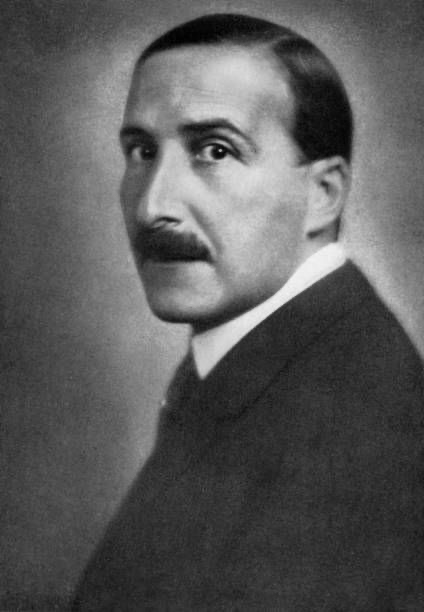
At this age, it seems that emotional (and therefore artistic) impressions have the ability to leave their traces for very long, as if carved in a soft material.
That's how I still have vivid memories about his "Letter from an unknown woman", "The royal game" of course, and full scale novels like "Confusion" and "Beware of Pity".
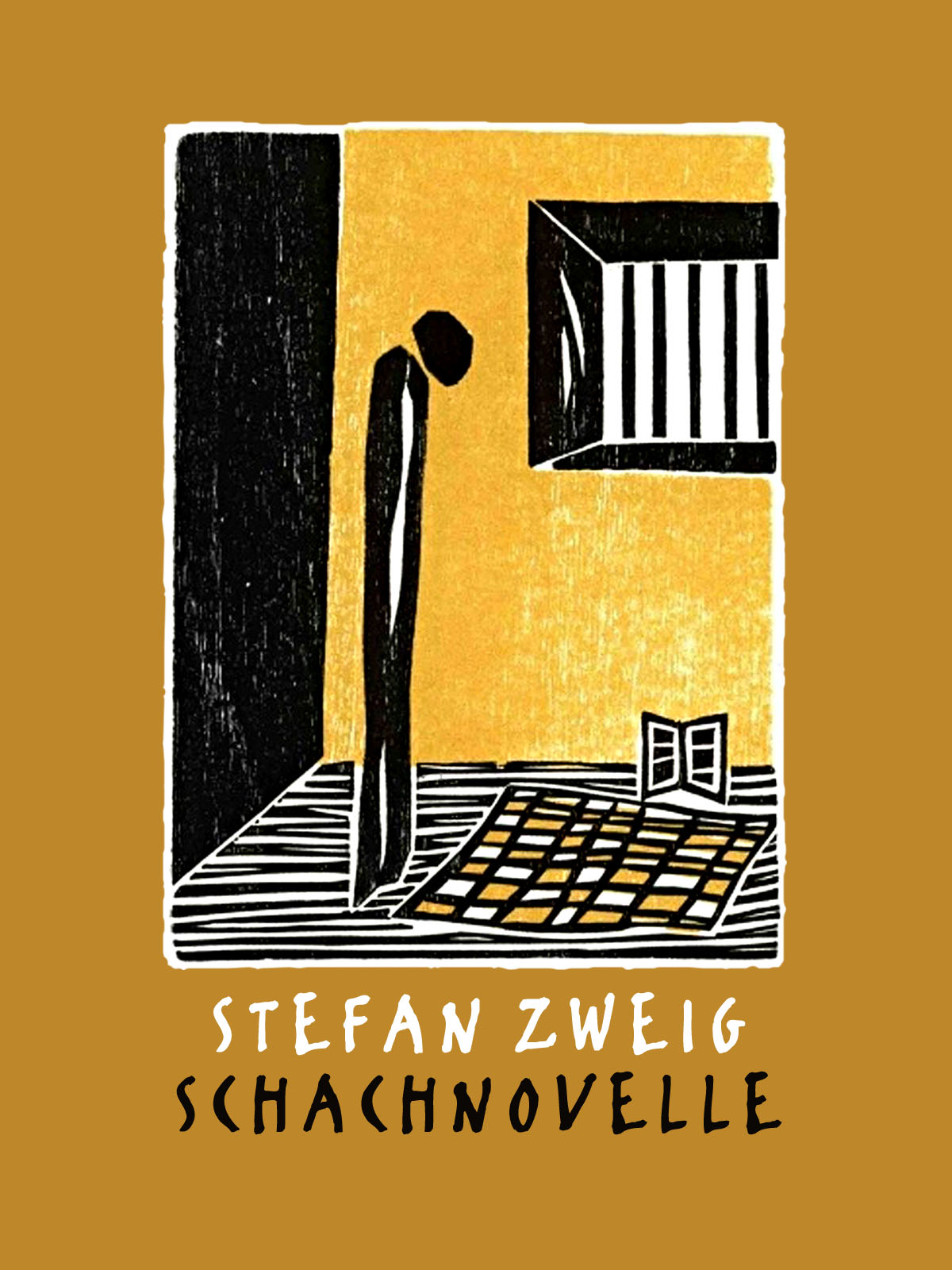
Pour exemple, voici “La lettre d’une inconnue”, accessible par les liens suivants :
- In French : https://www.ebooksgratuits.com/details.php?book=2322
- In English : https://www.prosperosisle.org/spip.php?article958
- Original version in German : https://www.prosperosisle.org/spip.php?article958#Below2
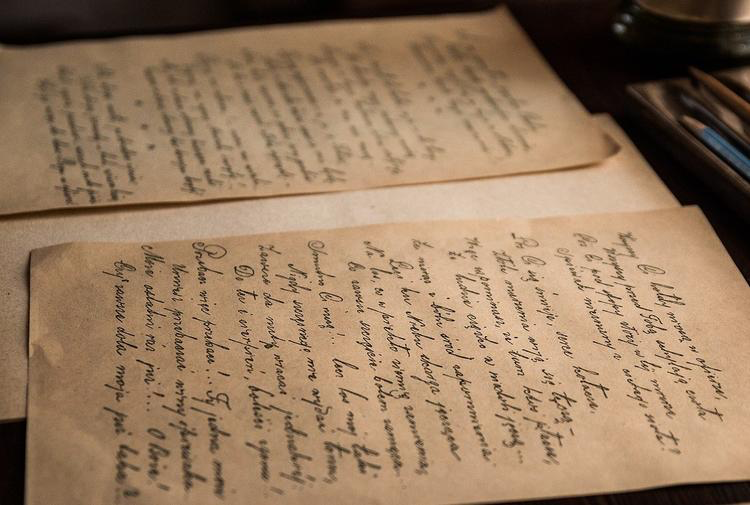
So when i got my hands on a book by Zweig, in a flea market, containing short stories I hadn't read yet, I didn't think twice.
You know, one has to seize opportunities, when given the chance, right ?
L’un de ces récits a particulièrement attisé mes vibrations intérieures : “la femme et le paysage”.
In spite of its title, which wouldn't sell well, I suppose, in today's world, it was neither about male gaze , nor about evanescent contemplation… Without revealing too much of the story (which text I could not find copyright free online in English ; here is the original, in German and here is the French version), il s’agit plutôt d’une ambiance, d’une atmosphère électrique (en attendant l’orage) et, comme tout récit romantique qui se respecte depuis Faust, d’un acte manqué.
All in all, a first rate story, although marked by the spirit of a time (very XIXthesque, even if published in the 1930s), but that also has its own value.
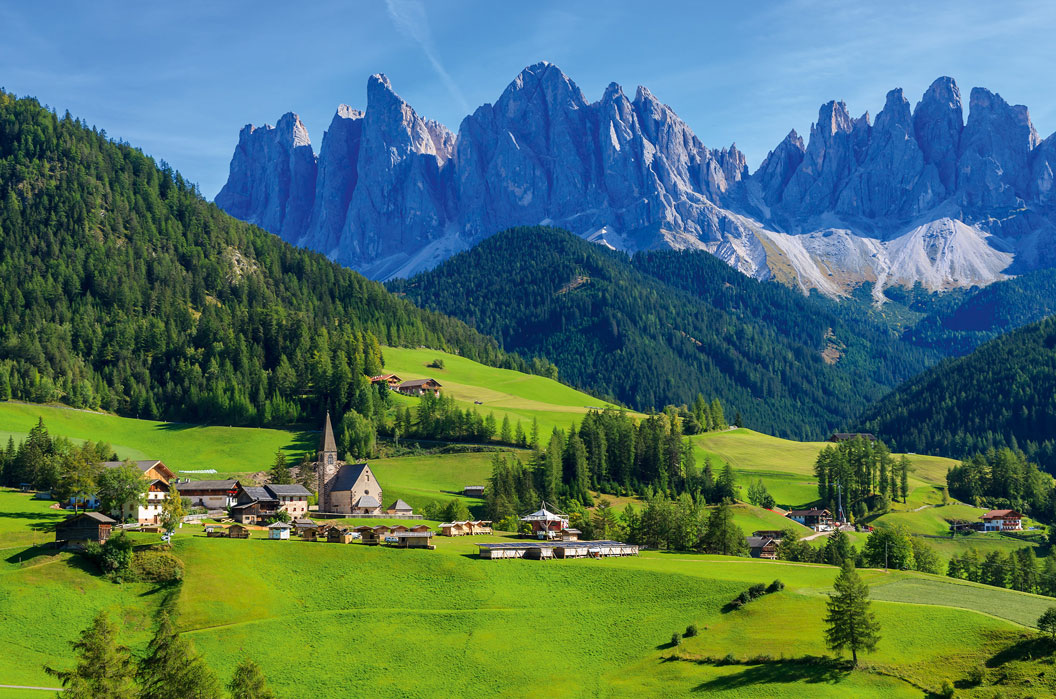
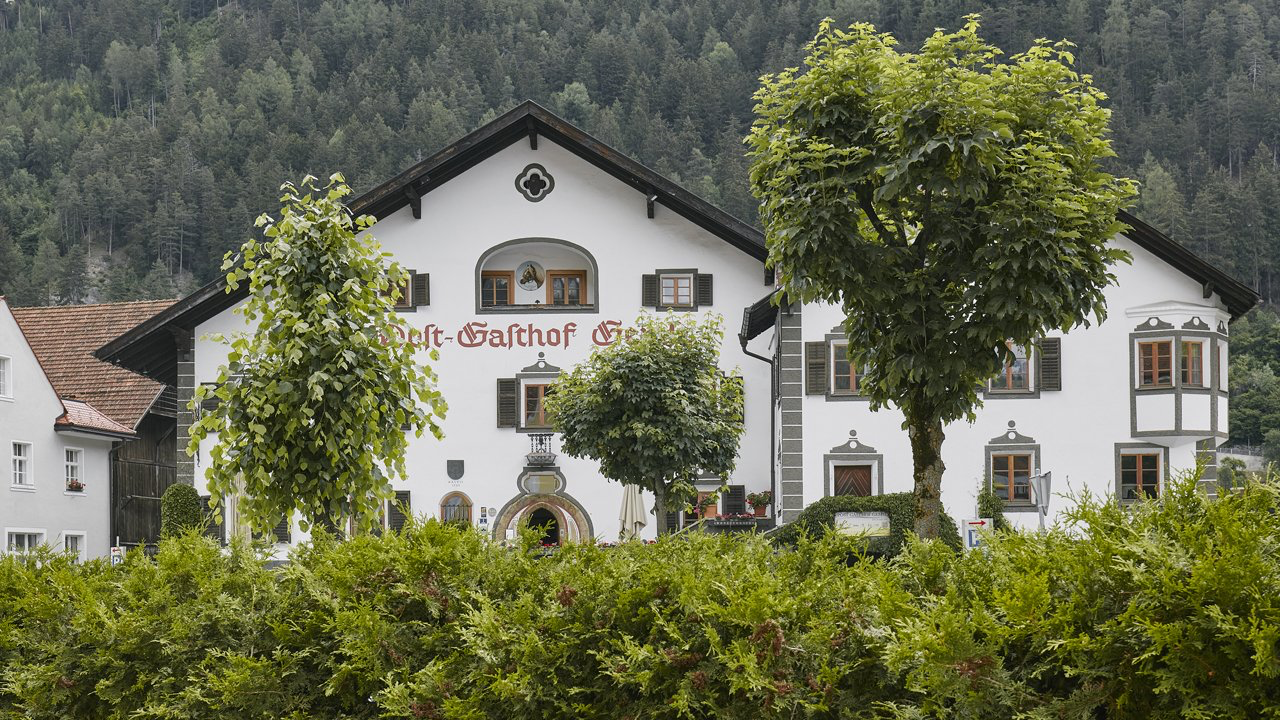
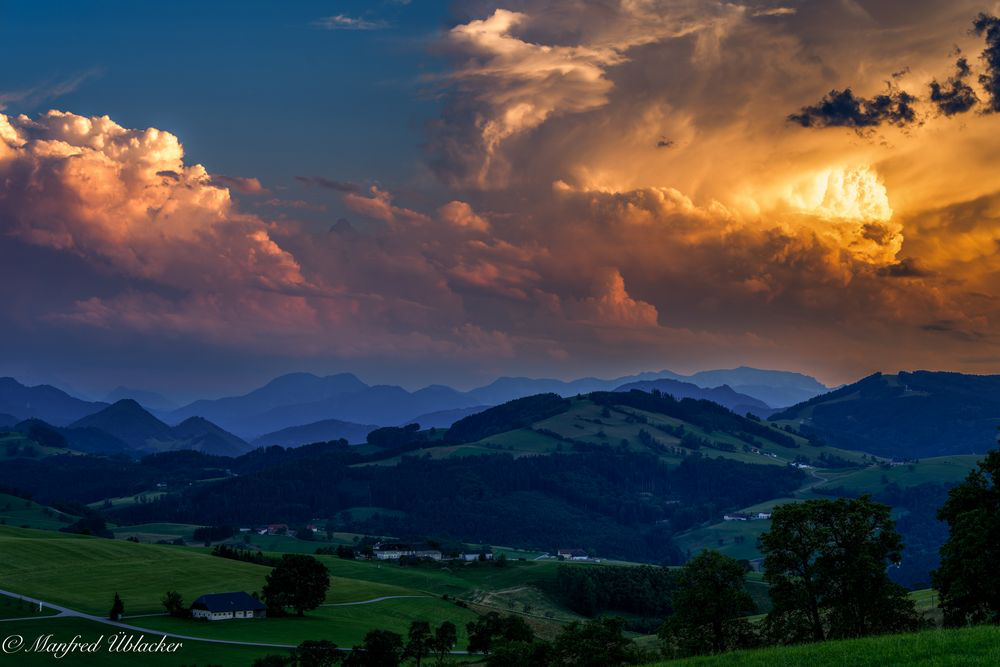
SPOILER : As I was looking for the text, I fell upon a pretty good animation movie : ce court métrage d’animation, by Adrienne Zeidler.
Il est de qualité, en particulier vis à vis des atmosphères et en termes de stylisation. La romance est quant à elle abordée de manière un peu trop directe et “rentre-dedans”, ce que je regrette car cela est beaucoup plus fin dans le livre. La version écrite n’est pas sans une certaine forme d’érotisme, mais pas tellement plus que cela – et je trouve ça excellent, car cela n’en stimule que mieux l’imagination…
To be honest, this romanticism has been somewhat misleading in my youth.
Indeed, after a few readings of the kind (and movies as well), I thought that things were indeed running this way : unannounced encounters, out of ordinary atmospheres, intense and elusive love…
Well, the worst is probably not so much to think that it might be possible (actually, I truly lived it… and had to cope with quite a few disappointments), but rather the reaction, afterwards, towards this all - when we consider later on, that all of it was full of shit.
Indeed, after 15 or 20 years, I finally understood how coldly I could look at the world and human relations - probably as a way of self preservation - in other words : the extreme opposite of romanticism ! And that was even worse than sadness ; it felt like an icy gloom (hopefully, I still had the Theater arts to warm me up…)
Today, I strongly believe that romanticism is, more than anything, a matter of outlook and attitude : there's nothing impartial nor neutral, quite the oppositive, as it's seems to be mainly about perceptions and overtures to surrounding events.
As a matter of fact, this very principle applies particularly well to at least 3 short stories of the book : "The woman and the countryside" (excuse and impulsion of this post), but also "Unexpected acquaintance with a craft", or "The invisible collection". Without getting into details about these stories, we're witnessing unpredictable encounters and observations of life going its bizarre ways. The narrator is systematically placed in a unexpected situation and appreciates it, by opening himself to it, letting himself get touched.
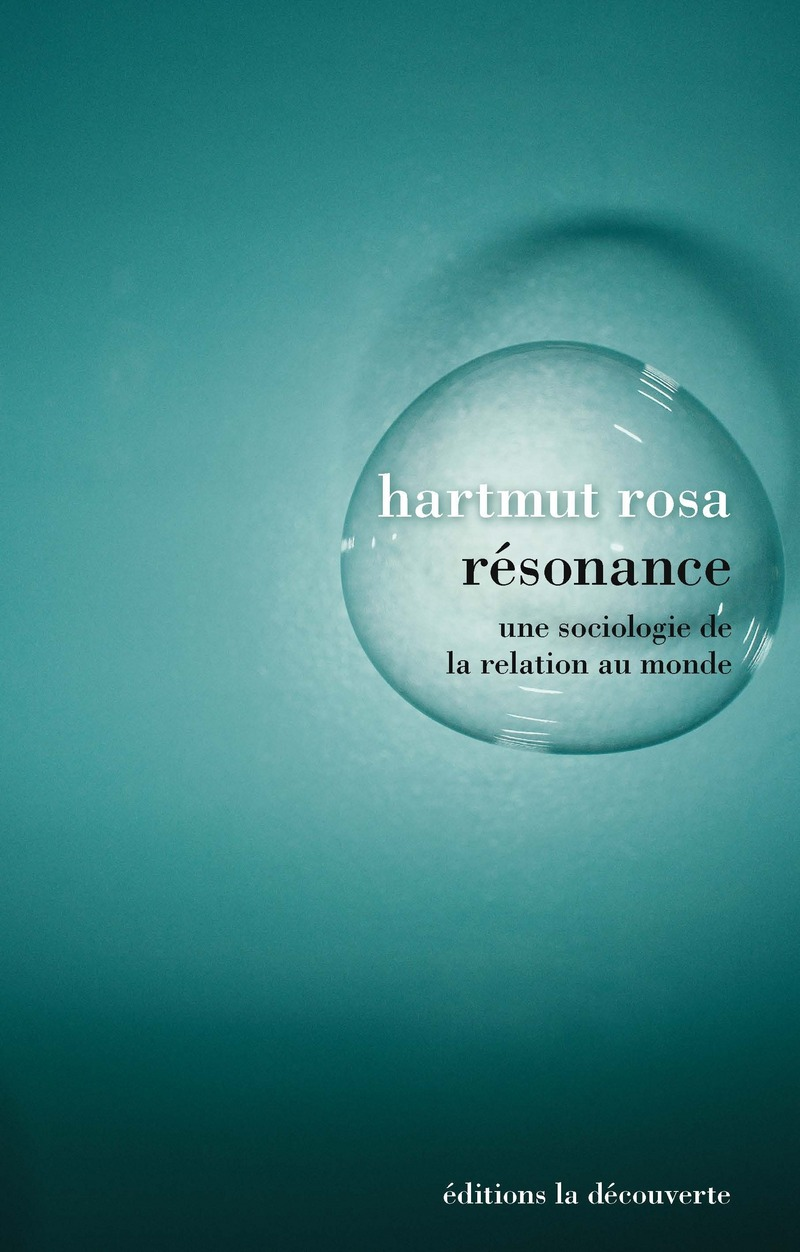
In other words, he fully places himself in a similar position that Hartmut Rosa describes in his essay Resonance (I'll do a post about this very important book). Far from fleeing such situations, the narrator longs for them and receives a very vivid reward out of that
A "romantic" life is possible, if we are keen on appreciating it.
C’est un peu comme la philosophie de l’abondance, qui prône que le monde n’est empreint de rareté et de manque(s) que si on le considère comme tel. Pour reformuler : l’abondance existerait sur tous les plans (entre autres : affectif, matériel et même financier) à condition d’apprendre à être disponible, à accepter de prendre et, naturellement, à donner en retour. Il s’agirait donc d’apprendre à ouvrir les yeux, pour voir la beauté qui nous entoure, et à ouvrir son cœur / âme ou autre (selon ce qui nous parle), pour devenir beaux nous-mêmes.
Naturellement, j’ai énormément à apprendre sur ce sujet (aussi et peut-être même plus que beaucoup, compte tenu de ce parcours en dents de scies et de ma “déformation” scientifique cultivant le “rationalisme”), mais certaines expériences m’indiquent que je suis sur une voix prometteuse.
Et pourtant que d’inattendu ! (la vie, en somme…)
I remember some situations, which really feed this conception.
Par exemple, je revois clairement cinq rencontres dans le train, à la faveur de mes déplacements réguliers. 5… en 12 ans ! C’est dire si j’en ai raté ! Quant à celles-ci, je les apprécie aujourd’hui encore.
Elles mériteraient un billet chacune (et bien plus encore), mais il suffit dans l’immédiat d’indiquer qu’elles m’ont toujours pris au dépourvu, au travers de personnes très différentes de moi-même, lesquelles voulaient simplement parler à quelqu’un. Ces fois-là, j’ai eu la présence d’esprit de fermer l’écran de mon ordinateur et de me rendre disponible. J’ai écouté ces personnes, me confiant leur histoire et leur drame – et j’ai appris en quelques heures plus qu’en plusieurs années.
Peut-être ces rencontres ne peuvent-elles survenir que de manière inopinée, avec des inconnu(e)s ? Toujours est-il que dans l’échange, le cœur ouvert à l’inconnu, on se remplit.
A few notes :
- You can find a few stories by Zweig at the link : https://www.prosperosisle.org/spip.php?rubrique112
- Je vous renvoie également à un excellent blog, que j’ai découvert en préparant ce billet : https://vishytheknight.wordpress.com/2018/11/20/book-review-the-collected-stories-of-stefan-zweig/
 English
  Français
5 responses to “Impressions : « La femme et le paysage », de Stefan Zweig (nouvelle)”
We’re a group of volunteers and starting a new scheme in our community.
Your site provided us with valuable information to work on.
You’ve done an impressive job and our whole community will be grateful to
you.
[…] vous le savez (peut-être), j’apprécie les nouvelles en général : Tchekhov, Zweig, Andersen, Tolstoï (ici ou là), Daudet, Erich Maria Remarque, ou encore pour les contemporains […]
Aw, this was a very good post. Spending some time and actual effort to
generate a top notch article… but what can I say… I procrastinate a whole lot and don’t seem to get
nearly anything done.
Thank you very much
Yes, it takes time, but, you know, when you’ve got so much (unknown) readers from all around the world (40 000 last years I believe), and especially when reading comments like yours, it’s worth it !
Let’s exchange again within soon.
Excellent article. Keep posting such kind of info on your page.
Im really impressed by it.
Hello there, You’ve performed a great job. I’ll certainly digg
it and individually recommend to my friends. I’m sure they will
be benefited from this web site.